


Key Takeaways
- Proactive IT and OT operational resilience: Combining logs, metrics and traces into one shared platform removes data silos, helping organisations move from reactive firefighting to preventing downtime.
- Faster incident detection and response: Connecting IT, OT and security data onto a single view speeds up root-cause analysis, fixing data management gaps and cutting response times.
- Clear cyber risk reporting for executive decisions: Turning technical telemetry into plain risk and compliance data gives leadership confidence in strategic decisions, backed by Sword and Splunk's energy sector expertise.
As environments grow more interconnected, outages become more frequent, costly and difficult to manage through reactive approaches alone. Often the challenge is to get the right eyes, on the right data, at the right time – this is Sword’s objective, and Splunk is a critical component of our strategic Operational Resilience services.
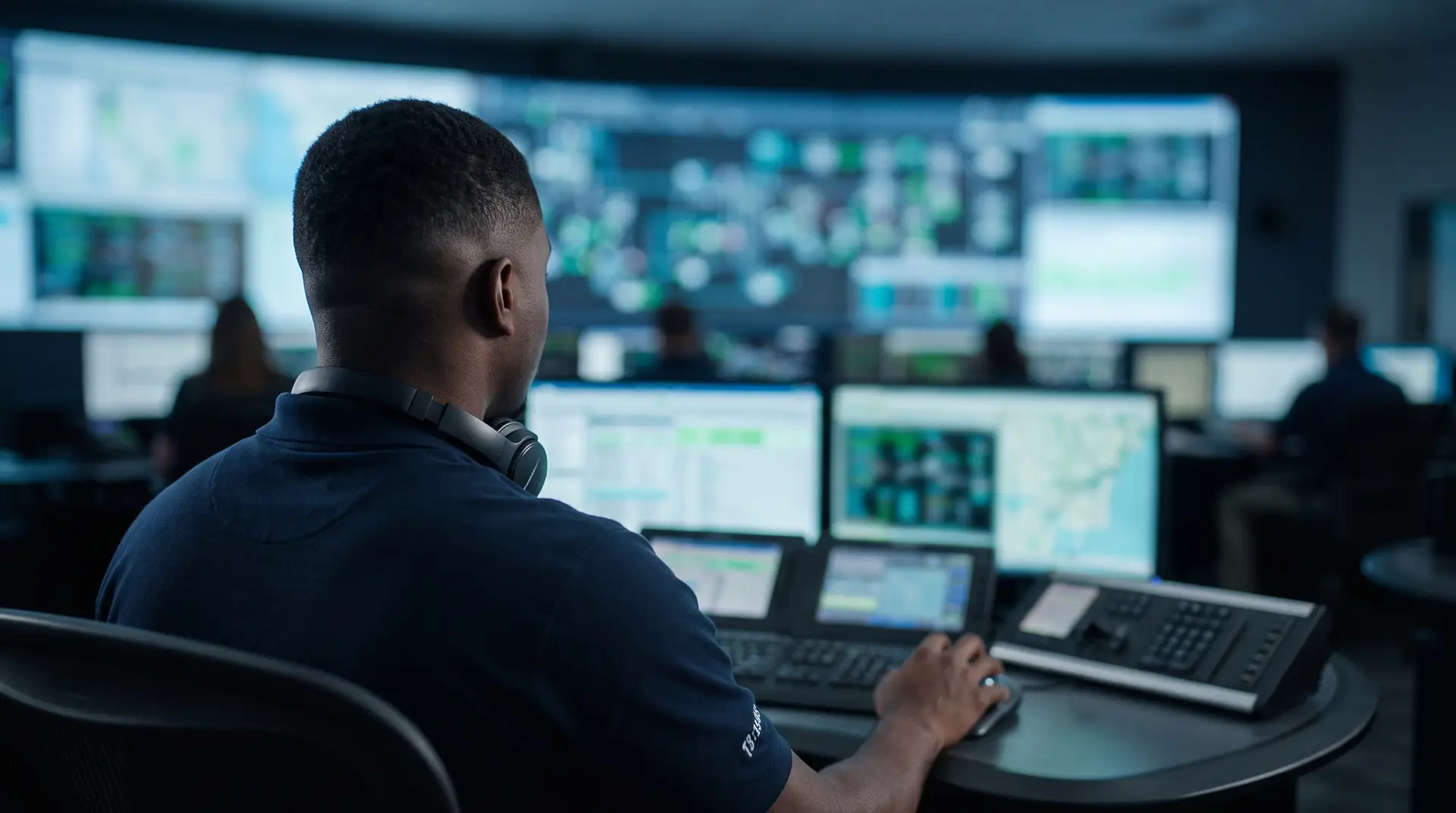
Building operational resilience requires organisations to anticipate disruption, adapt quickly and maintain performance under pressure. Operationally, this depends on unified visibility across IT and OT estates, combined with real-time intelligence that provides a clear understanding of operational risks and system health. Strategically, this means surfacing strongly evidenced risk and compliance data that can meaningfully drive executive decision-making.
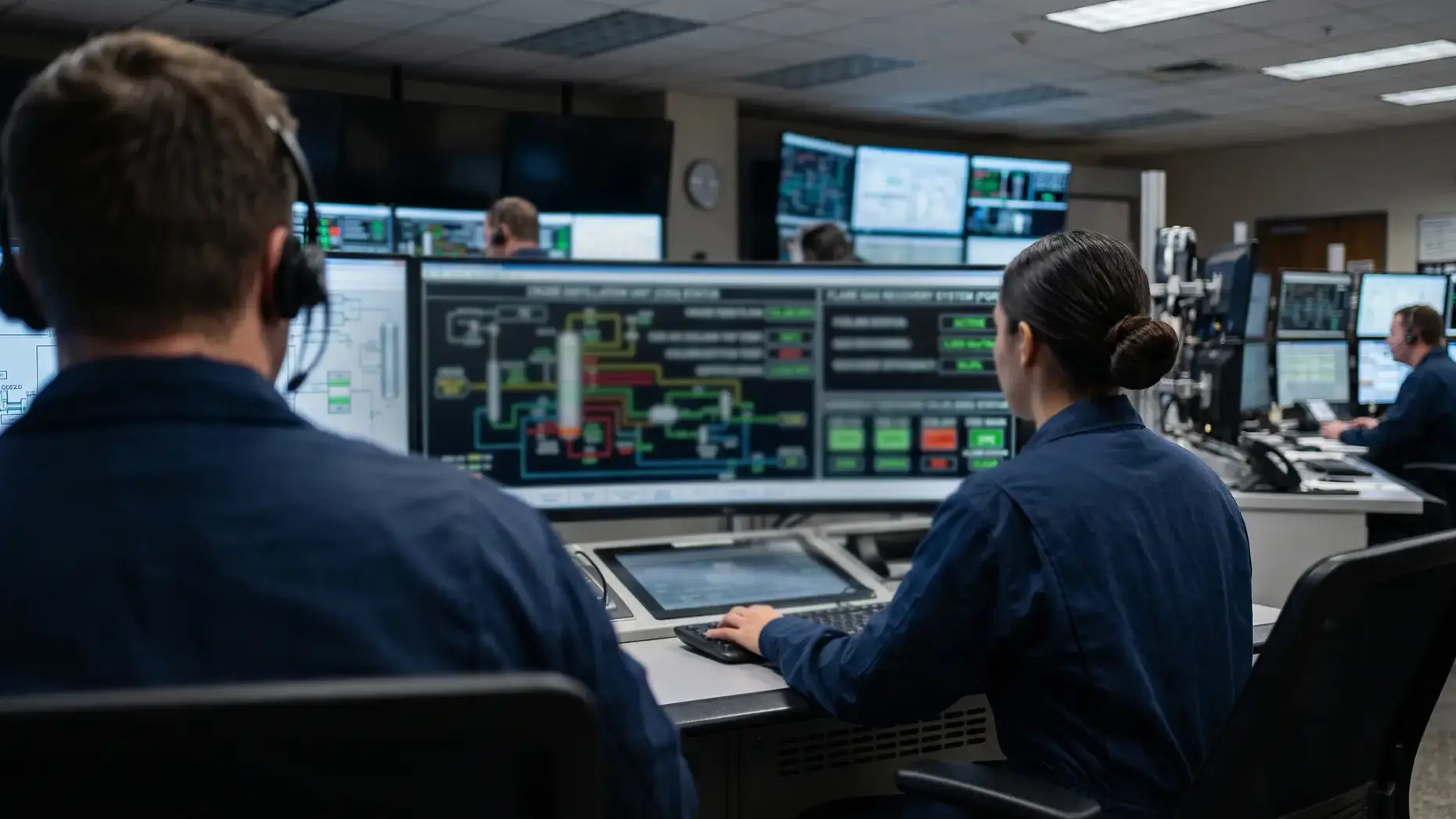
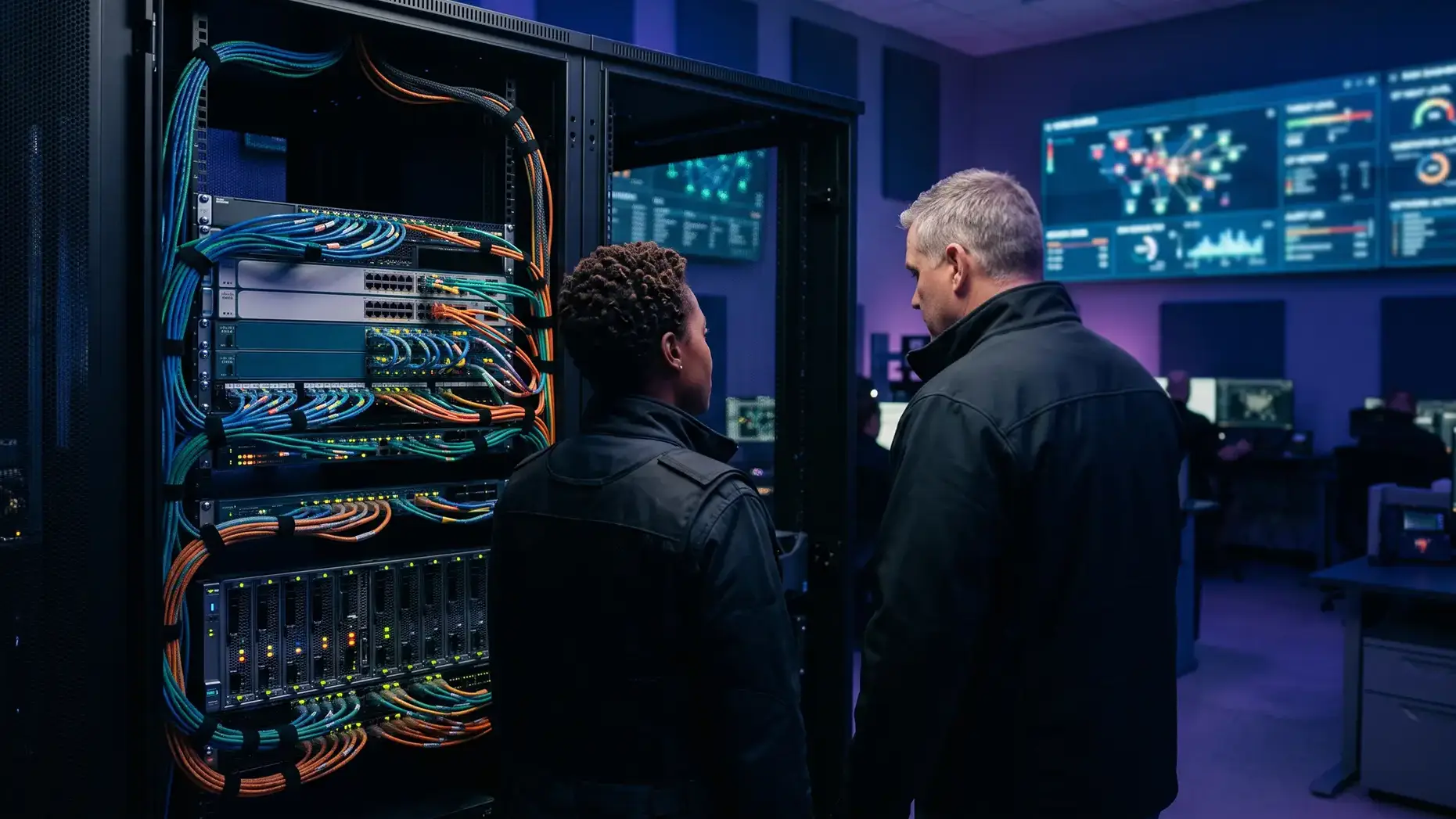
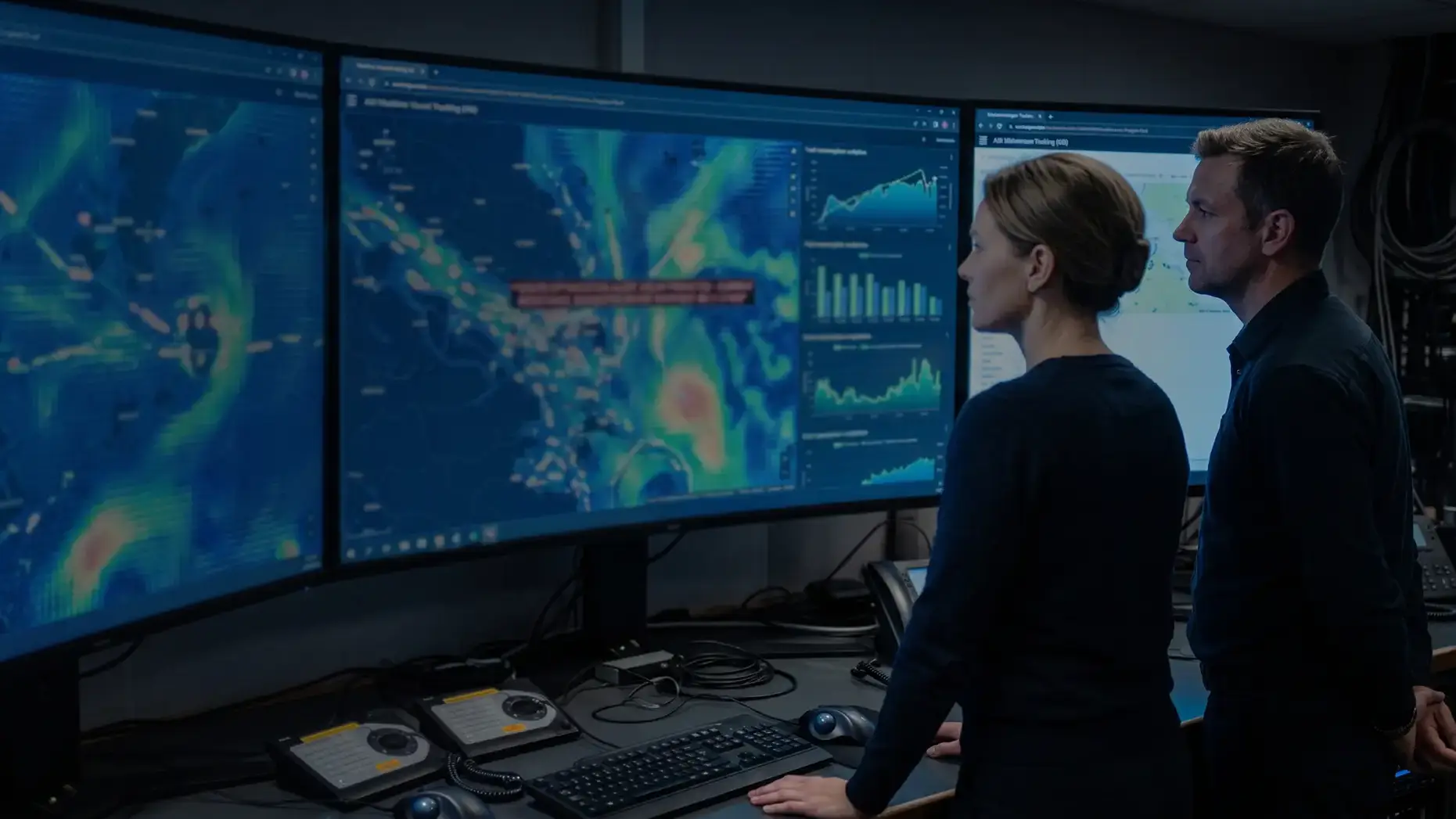
When IT, OT, security and operations teams work from a single, shared view of the environment, they can identify issues faster, understand business impact and coordinate the right response. With centralised telemetry and end-to-end observability, organisations can protect critical systems, reduce downtime and maintain operational continuity. When this unified operational view is combined with strategic insights, then operational resilience becomes addressable at board level – underpinning critical decision-making with clear compliance and risk information.
Too many alerts. Not enough answers.
Alerts often indicate that something has changed, but they rarely provide the context needed to understand the cause, impact or urgency. As a result, IT, OT, security and operations teams can end up working from different perspectives, making it harder to identify root causes, prioritise actions and respond effectively before performance, uptime or security are affected.
Sword helps its customers to build a unified platform that brings together operational and security data across IT and OT environments, providing a single view of the entire ecosystem through the unified data Splunk delivers. This enables teams to understand business impact, collaborate more effectively and take proactive action, helping prevent minor issues from escalating into business-critical incidents.
Set the stage for proactive problem-solving.
Sword and Splunk help organisations create a connected view across IT and OT environments by centralising telemetry from logs, metrics and traces. Splunk provides the visibility and analytics needed to monitor, troubleshoot and investigate activity across complex infrastructures, while Sword helps organisations accelerate value through implementation expertise and cyber security knowledge, assuring business defence and enhancing operational resilience.
Together, these capabilities give teams a shared operational picture, improving collaboration, speeding up issue resolution and reducing disruption. This is increasingly important given findings from Splunk’s State of Security report, which highlights that 57% of security leaders lose valuable time due to data management gaps, while 66% say effective information sharing can transform incident detection and remediation.
Sword’s reputation in the energy industry is testament to their deep understanding of OT environments and cybersecurity risks. Sword are an Elite Splunk partner with many years of experience delivering data-driven insights to customers. This combination makes them the go-to partner in the UK to deliver data-driven insights and reduce cyber risk in IT and OT environments. Recently they have delivered Splunk solutions for a North Sea Oil and Gas operator, a gas turbine power station and battery storage facility, and designed telemetry driven insights across an electrical transmission substation network.
Turn visibility into business impact
In converged IT and OT environments, operational resilience depends on teams working from a shared view of risk, performance and security, and leadership making decisions based on clear information. When IT, OT, security and operations teams have common visibility, they can investigate issues faster, identify root causes more accurately and coordinate responses more effectively. When this information is surfaced to business stakeholders in a way that aligns to compliance requirements, risk factors, and strategic objectives, resilience moves from being a secondary technology consideration to becoming a full part of the decision-making process.
This shared insight also helps organisations unlock greater value from their technology investments over time. As visibility expands, teams can automate processes, improve operational efficiency and strengthen resilience across the environment. With Sword and Splunk, organisations can detect risks earlier, respond with greater confidence and keep critical systems running when business continuity matters most.
More Information
Combining IT and OT data onto a single platform gives teams the context they need to spot risks early. By removing data silos, organisations can cut downtime, solve issues faster and stop minor technical glitches from turning into costly outages.
Splunk collects and analyses logs, metrics and traces across complex systems, while Sword provides the cybersecurity and domain expertise needed to implement it. Together, they help energy and industrial organisations reduce cyber risk, satisfy compliance rules and keep critical services running.
Centralised data turns technical telemetry into plain risk and compliance reporting. This gives executive leadership a clear view of system health and business risk, helping them make informed strategic decisions and justify security investments to the board.
Shared visibility ensures IT, OT and security teams work from the same real-time information during an incident. Connecting fragmented tools eliminates blind spots, allowing teams to identify root causes quickly and resolve threats before they impact business operations.